Mike Humble
This is one article I never thought I would be writing, well not for a little while anyway. After an incredible seventy… yes seventy years, Volvo has called time on their range of estate cars. The company cites a global slump in sales for the reason with barely 10% of their global new registrations being saloon or estate cars. Volvo will be purely concentrating on electric and hybrid SUV cars from now on. The current sleek looking V90 estate along with current Volvo saloons will soon be joining the ranks of legendary tanks such as the 200 and 700 series estate cars. We really are looking at the end of an era and I wonder just how long it will be until other manufacturers follow in Swedish footsteps.
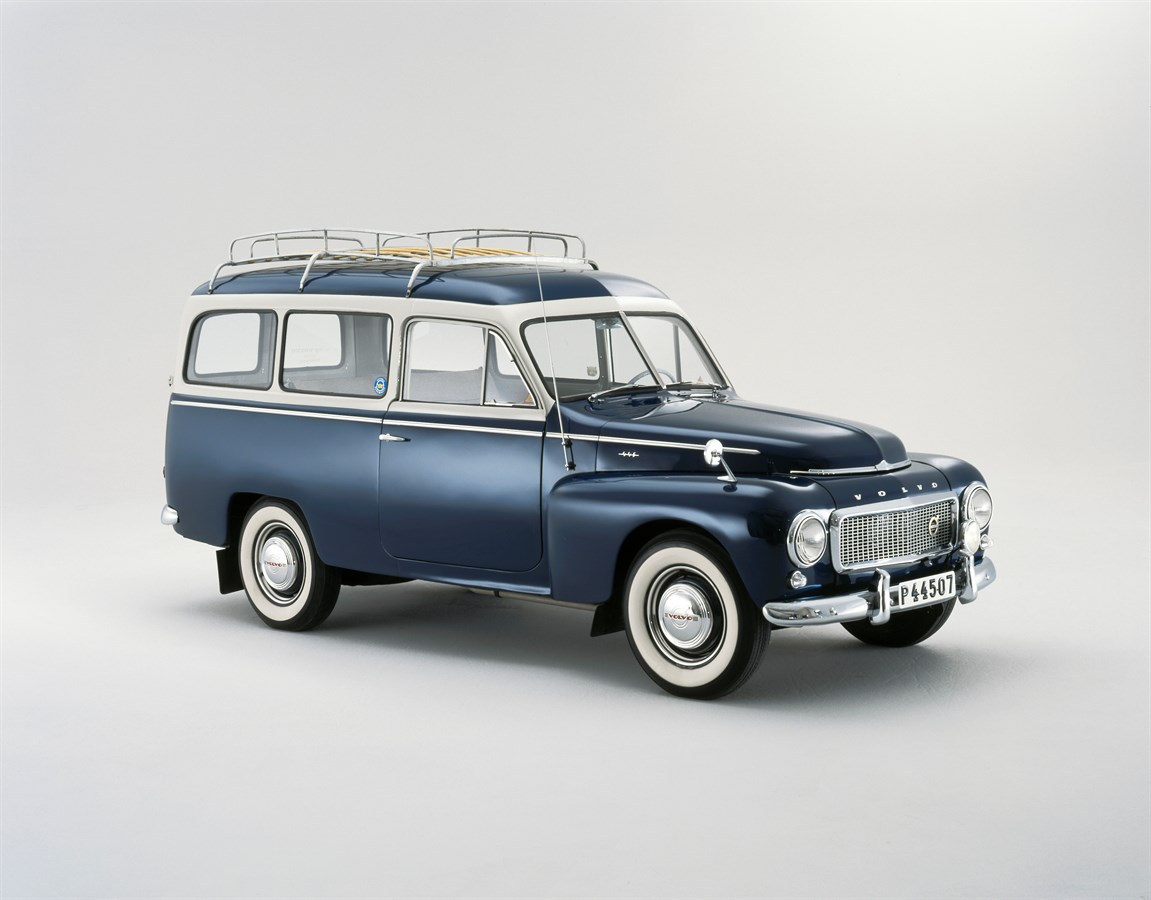
You have to go right back to 1953 when the Volvo PV445 Duett was launched – one of the earliest Volvo’s to be exported into the American market. The company truly found its estate mojo however when it introduced the Amazon in 1962. Previous estate models had been heavily based on commercial vehicles and the popular Amazon was designed from the drawing board to be nothing more than a purpose built saloon or estate car. A short while later, the 140 series came along, perhaps cementing into the minds of the public of the archetypal ‘Swedish Tank’.
The 144 and 145 were the vehicles that started the popularity in the UK for Volvo, famously being known for the chariot of choice for Margo and Jerry Leadbeater in the BBC TV sitcom ‘The Good Life’ with their 1972 145DL.. It was said by some folk within Volvo that the success of this programme pretty much single-handedly caused their UK sales to take off like a rocket. From Surbiton to Swansea the Volvo estate soon became a status symbol for the aspirational middle classes up and down the country. Found equally at home in the city or in the country, the Volvo estate became one of those cars that looked just right no matter where you went or where you parked it – akin to the original Mini or a Range Rover.
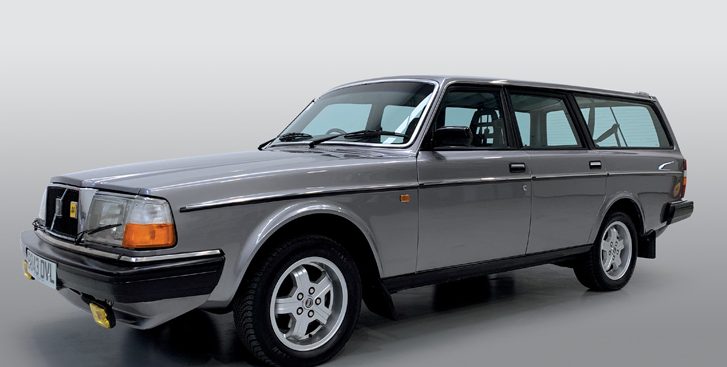
As the `70s progressed, Volvo the world over were becoming a force to be reckoned with. With a production run spanning 19 years, the 200 range went on to rack up global sales not far short of 3 million with a range of three models of a saloon, an estate and the largely forgotten 262C coupe. All round duplicated circuit disc brakes, impact absorbing steering wheels with collapsible steering columns and standard inertia reel seat belts were just some of the pioneering features of the Volvo 200 series. You could be certain that if for whatever reason you couldn’t avoid the obstacle in your way when driving a Volvo, you took option ‘B’ – and just drove right through it.
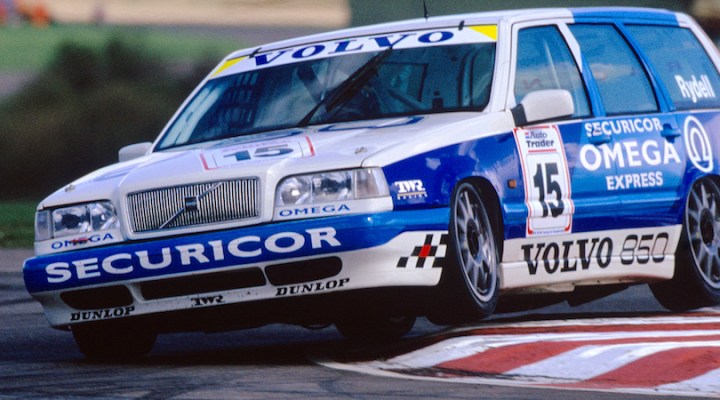
Later models like the 740 / 760 and 850 – the latter seeing their first adoption of front wheel drive transmissions, saw Volvo become the ‘go to’ manufacturer for the small business owner, the middle classes who found Audi or BMW too vulgar and of course, in the case of the 850 – the darling rapid response vehicle for many of our British police forces. Yet the 850 estate also gave Volvo some much needed retaliation to the knockers who joked about them being seen as too safe… or in some cases – boring. Volvo went racing in the BTCC series with the 850 that soon made household names of drivers such as super Swede Rickard Rydell and the Dutch born Jan Lammers.
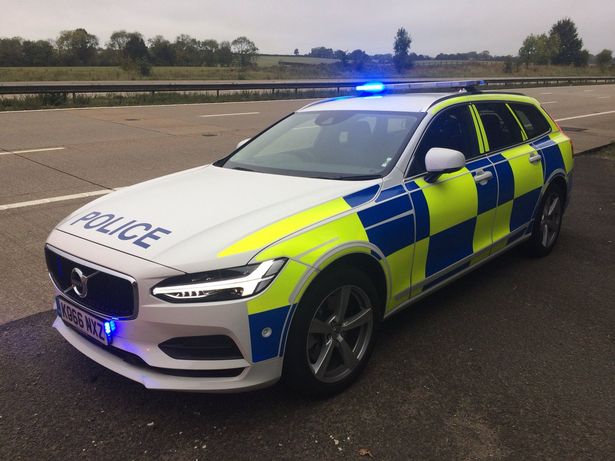
Other executive models including the lavish 960 right up to the current svelte looking V90 estate that’s soon to be deleted. So after decades of carrying everything such as screaming children, clanking chinaware, felons in custody, pine wardrobes and even grandfather clocks, time has been called on this load lugging legend of a car.
RIP Volvo Estate – You certainly served us well!
 Autobritannia
That may well come to be true, but a different scenario would be when Volvo along with all the other Western car manufacturers decides to close down completely. Since EVs have so many disadvantages which have been unappreciated by politicians and car-manufacturing non-technical administrators, I doubt whether the demand for Hybrids will be sufficient to keep the industry alive. Toyota’s declaration that there is still a future for ICE cars, plus their further development of very popular Hybrids, gives them just a chance of surviving the oncoming slaughter by Chinese state-supported manufacturers!