Mike Humble
Not that long ago, to have an award such as Car of The Year, CoTY for short, really carried some weight. As a youngster I recall showrooms displaying huge vinyl logos in their windows displaying the CoTY insignia should one of their models be lucky enough to have been bestowed the ultimate automotive gong. Models such as the Audi 100 and the Mk3 Ford Granada come to mind and rightly so as both ushered in a new era of aerodynamic styling and technological prowess. The last time a truly British car has won the CoTY was 1977 with the Rover 3500, the Astra has won it twice of course (1985 & 2016) but on both occasions they were mainly designed and engineered in Germany as Opels under GM ownership.
You could never expect anything less from our European cousins winning CoTY with the weird and the wonderful. Prime examples are the 1968 NSU Ro80, the Citroen CX in 1975 and a bit more recently the Alfa Romeo 156. In fact, the French have more awards than most when it comes to wooing the judges of the motoring press. In the year we won the world cup, France won CoTY with the (arguably IMO) smooth and spacious Renault 16 – a car I have often called ‘the thinking man’s Maxi’. Citroen has won a CoTY award plenty of times too, firstly with the GS followed by the CX and the XM. The bloody French eh? That said, there’s a couple of award winners that time hasn’t been so kind about.
Tre Formidable or Les Miserable – you decide and comment below.
CoTY Winner 1979 – The Simca-Chrysler-Talbot Horizon
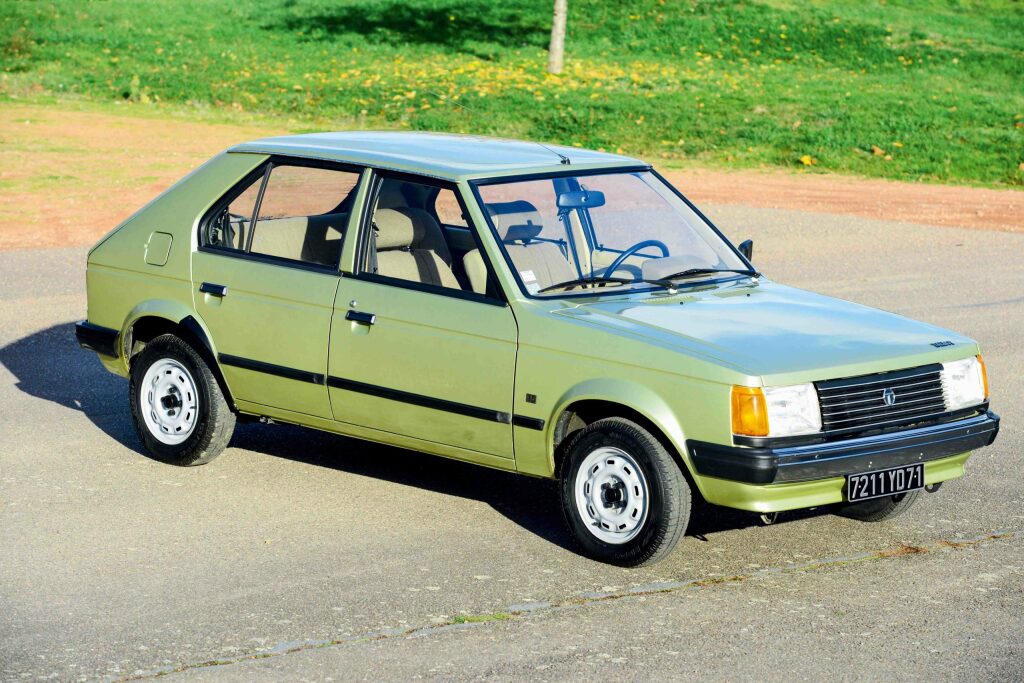
Oh dear, the Horizon. Better known after it had been rebranded from Chrysler (if that itself wasn’t bad enough) to Talbot – or some used to joke Talrot. A car with a seemingly winning design of five doors and a small stature just like the Golf, but with all the Germanic traits such as. engineering excellence, brand reputation, build quality and an almost aspirational badge were carefully removed by Chrysler to make it satisfyingly dull, cheap feeling and generally horrible.
The interior, while roomy with well padded seats, featured a facia that was utterly bland and lacking in any kind of style. The ride comfort wasn’t that bad either but refinement was hardly the first word in silence. Once 30,000 miles was under its belt, even looked after models clattered and rattled with all the splendour trying to hoover up small nuts and bolts. The dashboard was a treat based on all the instruments being situated in a small pod like affair. This gave no provision for extra clocks on posher models, though you could get an Jaeger supplied rev counter that fitted to the top of the steering column with little coloured blobs that lit up as the engine revved higher.
Some rancid special editions came along too and it was even sold in the United States as the Plymouth Horizon and the Dodge Omni – the yanks have always been suckers for a real lemon of a car. One final interesting point though was the world regarded ‘XUD’ diesel engine from the PSA group first saw the light of day under the bonnet of the Horizon. If you want to know what the Horizon roundly trounced to get the award, I’ll tell you – the Fiat Strada – nuff said!
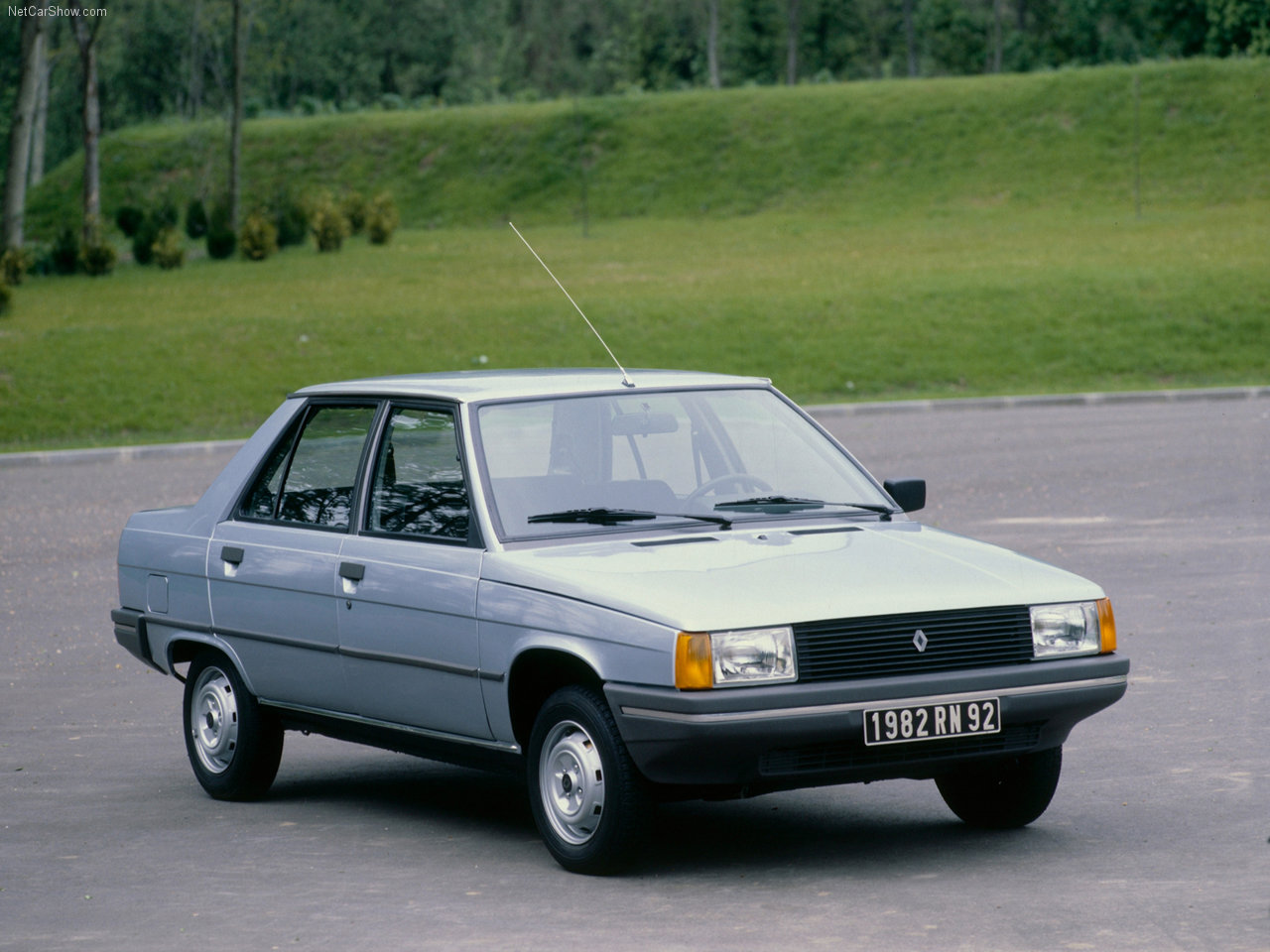
CoTY Winner 1982 – Renault 9
By the early 80’s, Renault were making some rubbish compared to other French cars. Peugeot were usually known for building comfortable roomy cars with an emphasis on function rather than form – see the 305 and 504. Citroen were well into their stride of building cars with a technological bent – see the GSA and CX. Renault, with the exception of the R5, were known for building rather plain and boring cars that were past their sell by date, not to mention sympathising with the Nazis during WW2.
They were building utter tripe such as the Renault 6 and even the high selling and former CoTY winner of 1966 – the Renault 16 was by now well past its sell by date. They’d done ok with the 18 saloon of 1978, but it never threatened the Ford Cortina in the UK for sales supremacy. Launched in 1981, Renault launched two new models, the 9 and 11. Where the 11 looked interesting and bold with its large curved glass tailgate and talking LCD dashboard on the top-of-the-range ‘TXE Electronique’ model, the 9 did not fare as well in the looks department.
The R9 was a plain looking four door saloon seemingly to plug the gap from the recently deleted R12. It had a similar portfolio of engine options. Where the 11 looked modern and dare I say it, good looking, the 9 ended up the same way as the Vauxhall Belmont – a poor and forgotten cousin to its hatchback sibling. On the plus side it was comfortable and roomy thanks to a new design of front seat mountings (they called it Monotrace) the R9 was just boring and well… just boring.
 Autobritannia